4 min readNew DelhiUpdated: May 20, 2026 12:51 PM IST
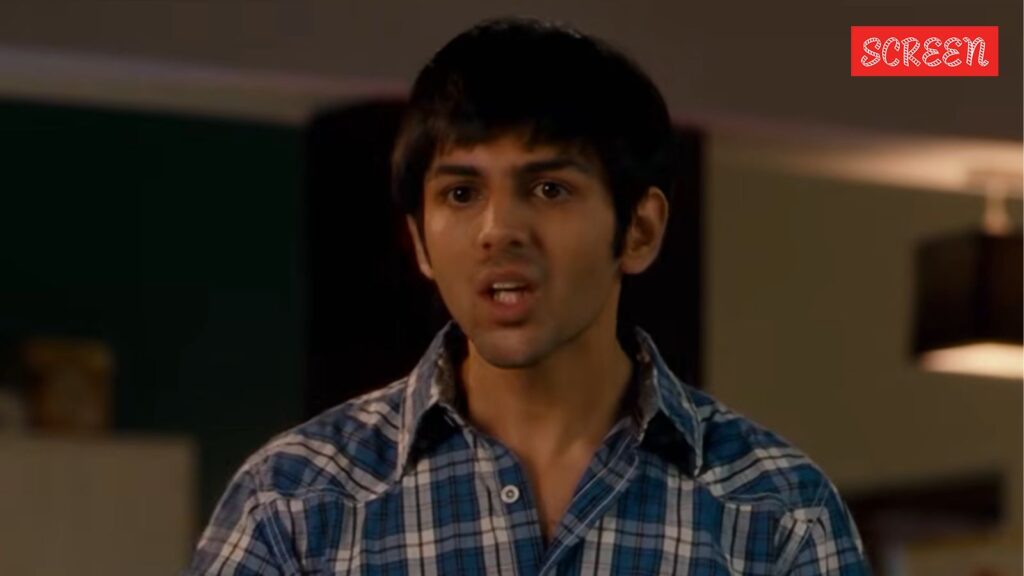
When Pyaar Ka Punchnama released today in 2011, Kartik instantly became the voice of a certain urban Indian male frustration. His now-iconic monologue transformed him overnight into the relatable middle-class boy-next-door that young audiences connected with. He wasn’t larger-than-life, overly polished, or inaccessible. He felt familiar. And in a post-multiplex Bollywood era, that relatability became his biggest strength. But Bollywood has always had a habit of turning an actor’s strength into their cage.
What started as a breakout identity slowly became a fixed brand. Over the next decade, Kartik kept returning to variations of the same character — the charming but confused boyfriend, the commitment-phobic urban man-child, the witty middle-class hustler navigating romance and chaos. From Pyaar Ka Punchnama to Sonu Ke Titu Ki Sweety to Luka Chuppi and Pati Patni Aur Woh, the industry rewarded him for staying within that comfort zone. And to be fair, it worked — until it suddenly didn’t.

 Kartik Aaryan in Pyaar Ka Punchnaama. (Photo: IMDb)
The cracks became visible when Kartik continued doing films like Love Aaj Kal, Guest in London and Shehzada. Both films leaned heavily into the same familiar Kartik Aaryan energy, but audiences no longer responded with the same excitement. Then he shifted genre with Bhool Bhulaiyaa 2 and 3, but still depended on that very image.
Even as Rooh Baba, he was essentially playing the naughty, quick-talking lover boy trying to escape his middle-class reality through charm and performance. The genre changed, but the personality remained familiar. What makes Kartik’s journey more frustrating is that some of his most interesting performances came when he actually tried to break away from that image.
 Kartik Aaryan in Luka Chuppi. (Photo: IMDb)
Dhamaka showed a more intense, morally conflicted side to him. Freddy was perhaps the darkest and most psychologically layered performance of his career. Yet both films went directly to OTT, almost as if the industry itself lacked confidence in presenting a different version of Kartik Aaryan to theatrical audiences.
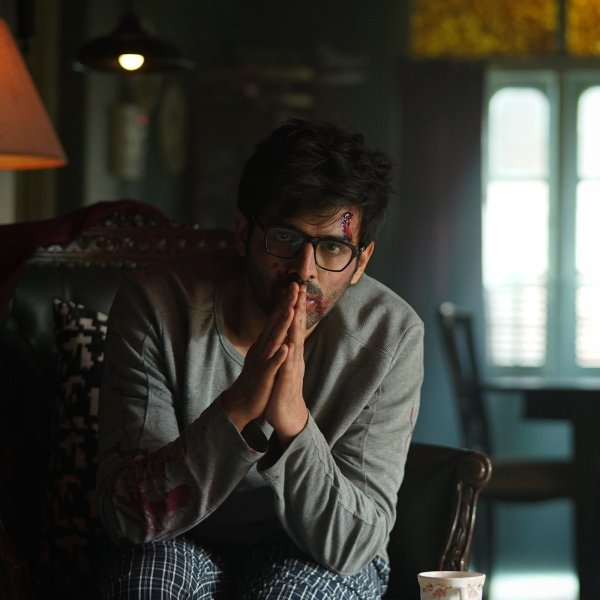 Kartik Aaryan in Freddy. (Photo: IMDb)
Then came Kabir Khan’s Chandu Champion — a film that demanded years of physical transformation, emotional restraint, and genuine commitment. It was the kind of role actors often wait their entire careers to attempt. And yet, despite critical praise, the film struggled commercially.
Story continues below this ad
Meanwhile, Satyaprem Ki Katha worked because it found the middle ground. It gave Kartik emotional depth while still keeping intact the soft romantic vulnerability audiences associate with him. The film evolved his image without completely abandoning it. And maybe that is the real dilemma of being a modern Bollywood star.
Audiences constantly demand reinvention, but they rarely reward it immediately. At the same time, they complain actors have “no range” when those same actors keep repeating what once worked. Bollywood, too, encourages this cycle. The moment an actor delivers a successful formula, producers continue recreating versions of that success until the formula itself becomes exhausted.
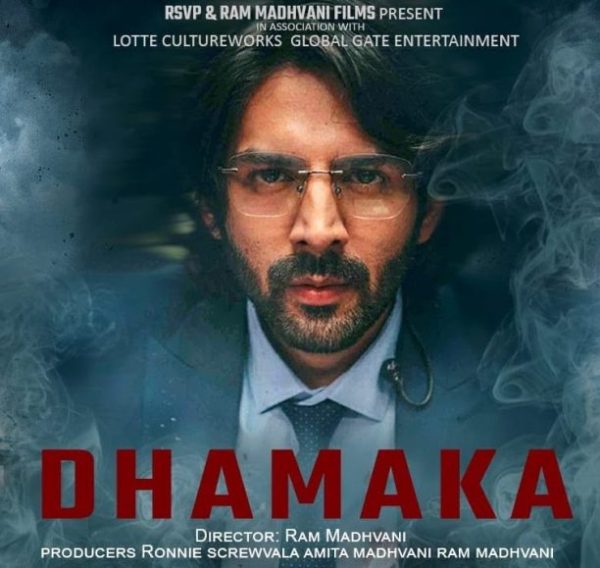 Kartik Aaryan in Dhamaka. (Photo: IMDb)
Even Shah Rukh Khan faced a similar trap. Despite often speaking about wanting to do action-oriented cinema, SRK remained locked in the romantic-hero image for decades because that version of him worked repeatedly at the box office. The difference was that his romantic charm sustained superstardom for far longer. It took him over 30 years — through Pathaan, Jawan and now King — to finally embrace the kind of mass-action cinema he had long wanted to explore.
For younger actors like Kartik, however, the challenge is tougher. The old romantic-hero template is no longer enough to guarantee longevity in an audience ecosystem shaped by streaming, shorter attention spans, and rapidly changing tastes. But experimentation comes with its own danger because unconventional performances are not always translating into box office success either.
Story continues below this ad
That leaves actors like Kartik stuck in the most difficult space possible — trapped between the pressure to evolve and the fear of losing the very image that made them stars in the first place.


Click here to follow Screen Digital on YouTube and stay updated with the latest from the world of cinema.
© IE Online Media Services Pvt Ltd