3 min readNew DelhiApr 13, 2026 06:39 AM IST
Maang ke saath tumhara (Naya Daur, 1957): The quintessential ghoda-gaadi songs (where the beat mimics a horse’s stride) by OP Nayyar finally had Asha Bhosle crooning for the lead actor and with a melodious yet fast-paced number. It catapulted her to stardom.
Aayiye meherbaan (Howrah Bridge, 1958): This sensuous nightclub invitation, composed by Nayyar and picturised on Madhubala had Bhosle’s velvety voice glide effortlessly, turning it into a timeless classic.

Jaayiye aap kahaan jayenge (Mere Sanam, 1965): The feather-light Nayyar ditty, which traverses various scales, is beautifully anchored by Bhosle.
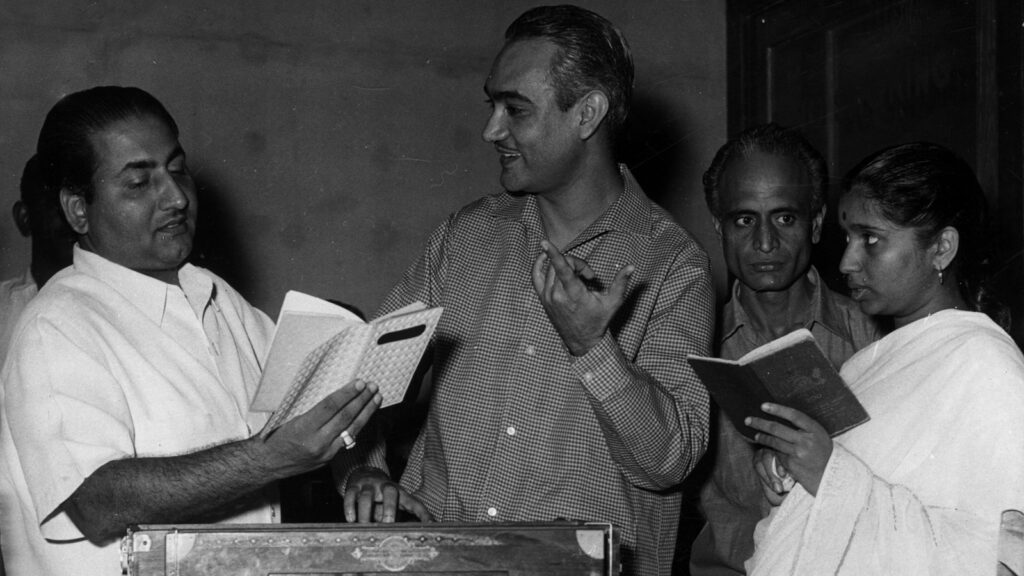
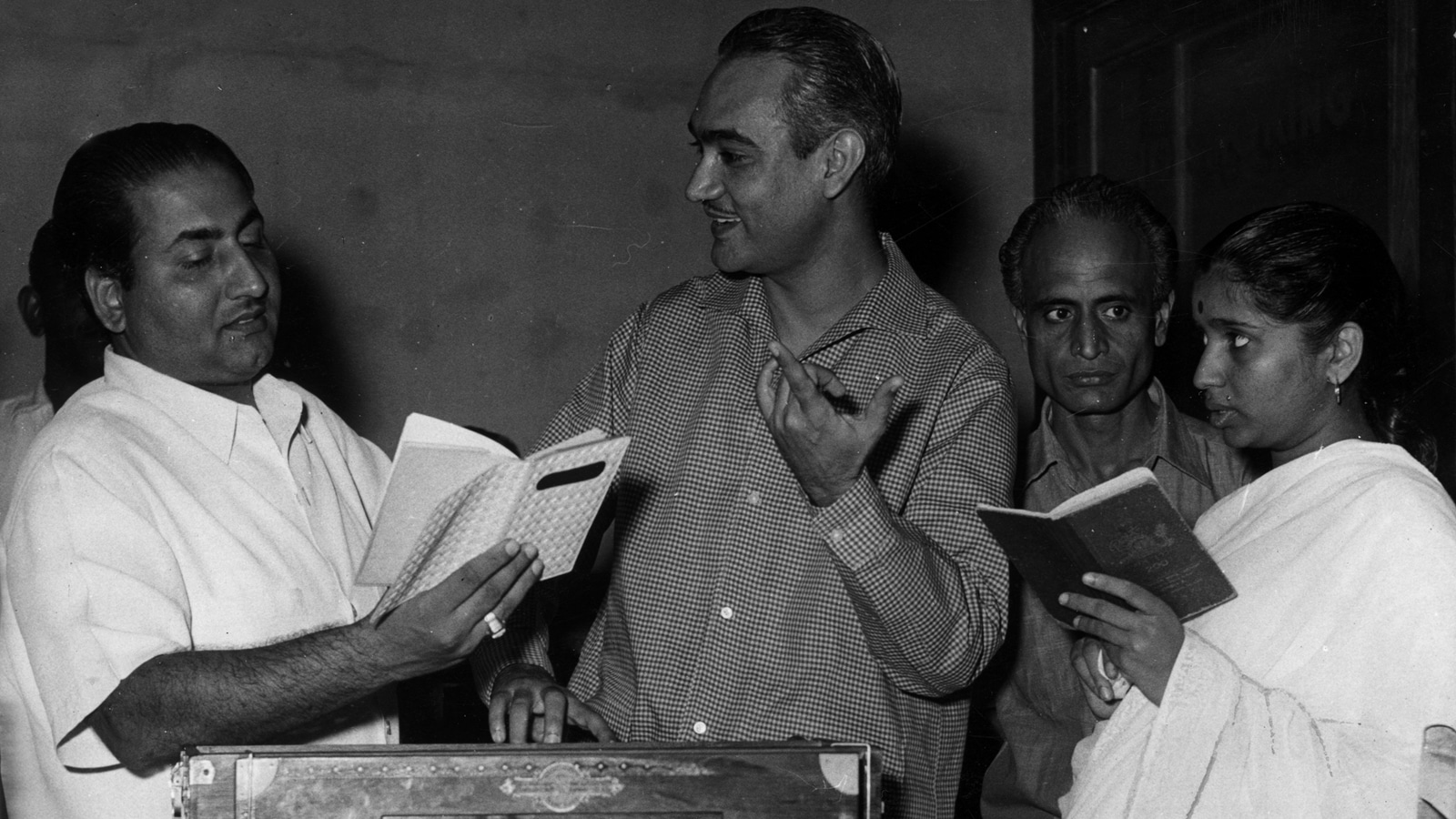 Asha Bhosle with Mohammad Rafi and music director OP Nayyar. (Express Archive)
Piya tu ab toh aaja (Caravan, 1971): Pulsating with bold, sensual energy, the song, which also made it to Aditya Dhar’s Dhurandhar, rests on breathy vocals and dramatic singing. Picturised on Helen, it remains one of Bhosle’s finest cabaret moments.
Chura liya hai tumne (Yaadon Ki Baraat, 1973): The clinking of the bottles followed by the twinkling guitars in the RD Burman composition have Bhosle coyly slide into this song gently and stay there.
Also Read – Asha Bhosle, India’s most versatile and prolific voice, is no more
Chaen se humko kabhi (Pran Jaaye Par Vachan Na Jaaye, 1974): One of Bhosle’s finest moments and a poignant but last collaboration between Nayyar and Bhosle, the song remains a lesson in nuance.
Story continues below this ad
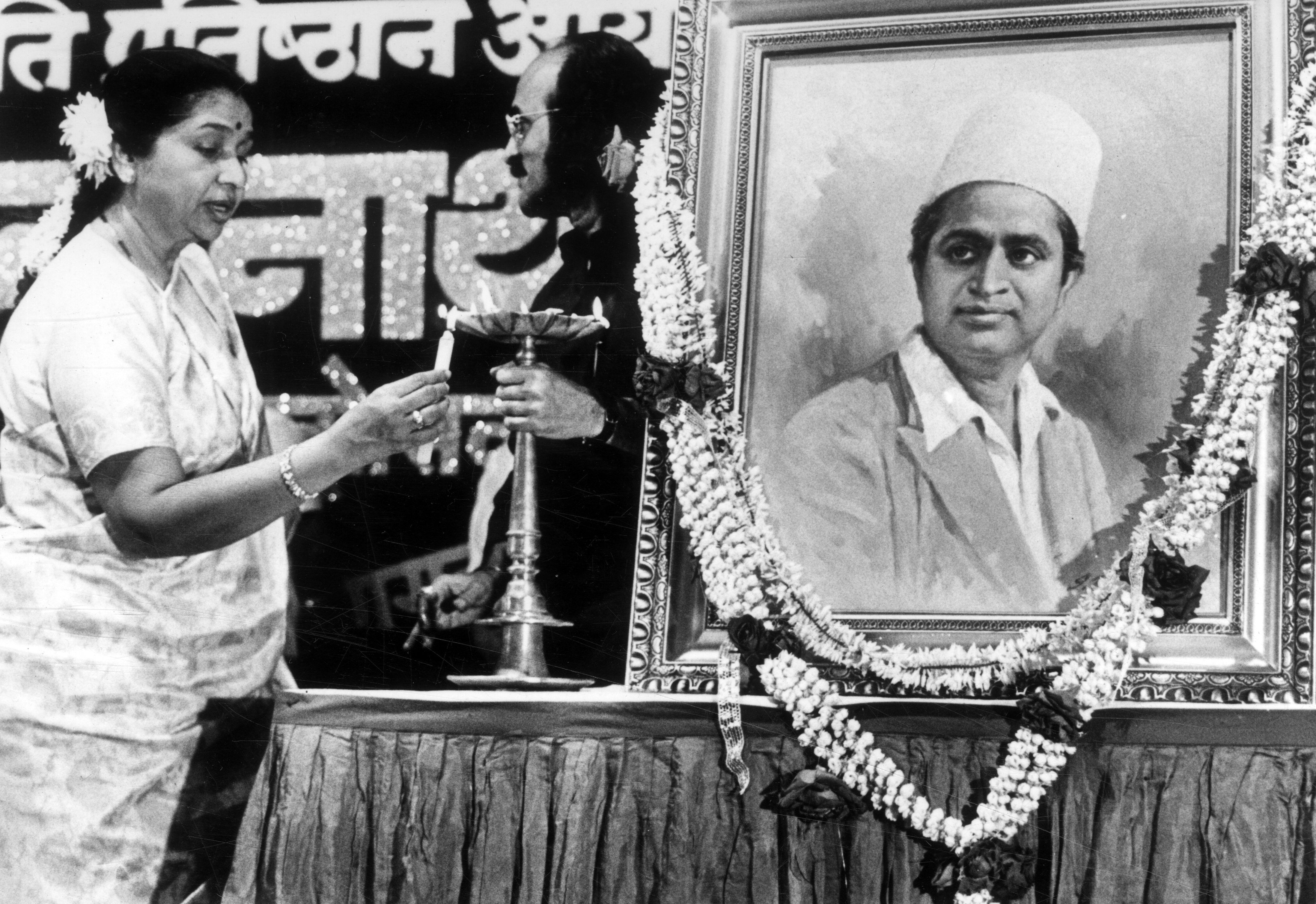 Singer Asha Bhosle lighting the lamp, to inaugurate a program dedicated to her father and legendry singer Deenanath Mangeshkar. (Express archive)
In aankhon ki masti ke (Umrao Jaan, 1981): This had Bhosle bring Sheheryar’s poetic grace and Khayyam’s exquisite composition brought to life in an ode to one of the last courtesans of Awadh. After her celebrated sensual pieces, this is where Bhosle came into her own as a classical singer.
Ye kya jagah hai doston (Umrao Jaan, 1981): One of the most haunting melodies by Bhosle, it is a lament by a courtesan who is finally back home. It is subdued and a masterclass in perfect expression for Rekha on screen.
Mera kuch samaan (Ijaazat, 1988): With no set rhythm, this RD Burman ditty unfolds like a conversation. It still is considered one of the most striking articulations of heartbreak in Hindi cinema.
Jhoothe naina bole (Lekin, 1991): An evocative composition by Bhosle’s brother Hridayanath Mangeshkar, it shines in the classical idiom, as a woman confronting her beloved’s deceit.

Click here to follow Screen Digital on YouTube and stay updated with the latest from the world of cinema.
© The Indian Express Pvt Ltd