
3 min readChennaiUpdated: Apr 21, 2026 06:02 PM IST
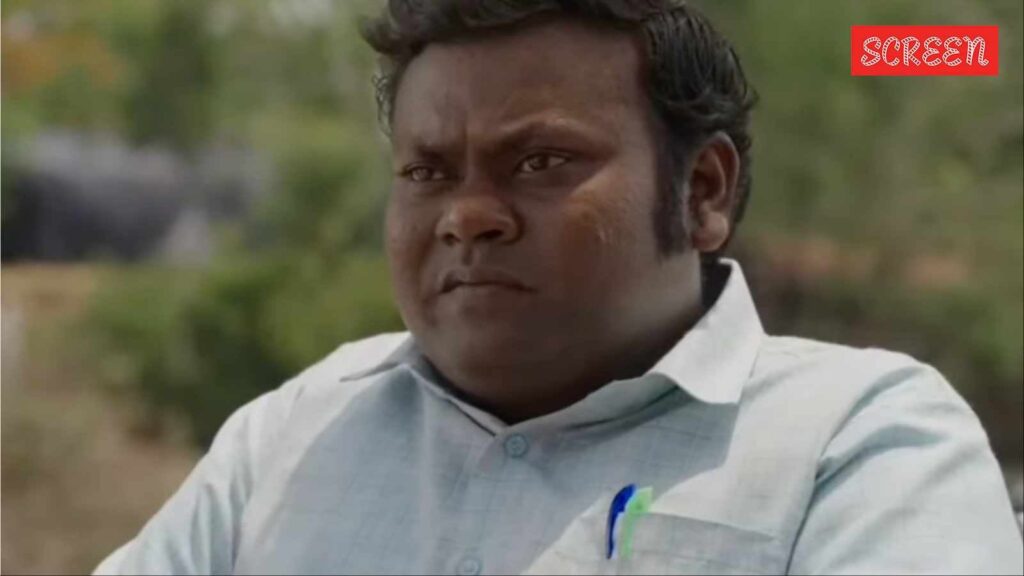
Vinod Suryavanshi, who made a brief appearance in Panchayat season 4, recently spoke about facing casteism and how his family is not allowed to enter temples and other people’s homes in his village in Karnataka.
Speaking to Siddharth Kannan, Vinod said, “In my village in Karnataka, casteism is still prevalent, even today. There are two areas in that village — one for the upper castes and one for the lower castes. The area where the Dalits live is separate from the village. Once, when I went to the village with my father, I was 12 years old and ate at a hotel, we had to wash our own plates and also pay for the food. There is still a temple where we are not allowed to go in my village.”

Apart from Panchayat, Vinod Suryavanshi is known for playing character roles in projects such as Janaawar, Thamma, Satyameva Jayate, Jolly LLB 3 and more.
Also Read | Panchayat’s greatest triumph is showing us how patriarchy and gentle masculinity can co-exist
Not just Vinod Suryavanshi, filmmaker Neeraj Ghaywan, who directed the critically acclaimed film Homebound, which showed the prevalent caste system in the country, spoke about how he dealt with casteism. He told The Hindu, “I don’t want to sound like a victim but for some reason, we didn’t mention our caste identity for the fear of being excluded. Masquerading as an upper caste member, I thought it would be all good but it pricked my own conscience. I feared that if someone spotted me, I would no longer be part of the intellectual club in my school, college, and corporate life. That fear stayed with me and threatened to create a huge impostor inside. Over time, I began to think about how to deal with it. I dismantled the victimhood and projected that shame out there because it is the people who make us make these choices who should feel shameful. It is not my shame to carry. After 35 years, I decided to claim my last name.”
Earlier, writing for Indian Express, Alok Bnsal, director, India Foundation, said, “Many apologists for the caste system tend to justify it by stating that caste-based identities are not bad, only the discrimination based on caste is bad. However, this is nothing but indirect support to an extremely divisive and repugnant social practice.”
DISCLAIMER: While this article highlights experiences of social discrimination and personal hardship, the narratives and claims presented are based on individual accounts and have not been independently verified. These stories are shared to provide social context and are intended for informational purposes only.


Click here to follow Screen Digital on YouTube and stay updated with the latest from the world of cinema.
© IE Online Media Services Pvt Ltd