
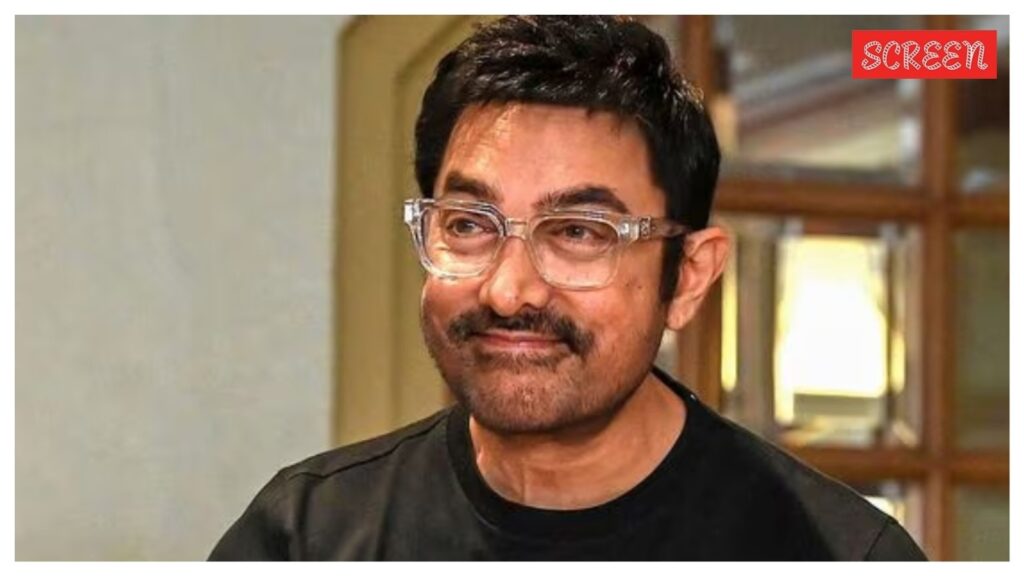
4 min readMumbaiUpdated: May 17, 2026 05:14 PM IST
Aamir Khan has been holding test screenings for his films ever since his 1988 breakthrough, Mansoor Khan’s hit romantic drama Qayamat Se Qayamat. But he confesses that he isn’t a great audience for other filmmakers’ test screenings, particularly when they are held only a week or a few days before the movie’s release. The actor-filmmaker also revealed that, despite being part of the film industry, he is not much of a movie watcher.
“I see very few films, which is very odd. But that’s been the case since my childhood. I’ve never been a watcher. But I read a lot, so that kind of compensates,” Aamir said in the recently held Screen Academy Masterclass at Whistling Woods International. “One of the reasons I don’t see films is I don’t know how to lie. If someone asks me how the film is, I’ll say, ‘Bahut bakwas thi yaar. Pakk gaya main. (It was too awful. I got bored to death).’ It’ll show on my face,” confessed Aamir.

“They call you a week before the release. You can’t even contribute anything at the last minute. It’d only ruin their sleep,” he added.
Aamir Khan also recalled a friendly advice from longtime collaborator and veteran screenwriter-lyricist Javed Akhtar on how to tackle a filmmaker after watching their film that wasn’t upto the mark — “You’ve outdone yourself.” “That implies you made such bad films, you’ve even outdone yourself there. It can mean anything,” said Aamir, laughing.
He also advised the students present for the masterclass that if they also do test screenings after becoming filmmakers, they must ensure they are not defensive. “Importantly, in a test screening, the moment you defend your work, the reactions will stop coming. If someone says, ‘I didn’t like that girl’s costume,’ and I start defending it, the rest of the audience realizes that I don’t even want to listen. So, even if you don’t agree, you should make an effort to accept what the person is saying,” said Aamir.
He agreed that taking criticism head on “may be very difficult,” but a keener reception would help course-correct the film months before the wider release. “Otherwise if the director and the actor ask you how the film is, what would you say if you didn’t like it? You would hesitate, right? When you do test screenings, you have to learn to get past all of this,” said Aamir. He also spelled out another key skill needed for test screenings — to read between the lines. “The moment someone tells me, ‘You did very well,’ that means the film is gone,” quipped Aamir.
“If a communication gap happens consistently over a number of screenings, that’s the opportunity to relook how you’re communicating. Because it’s your communication that’s making the audience feel a certain way. So, you need to go back and tweak your communication so that the person feels differently,” argued Aamir in the Screen Academy Masterclass, held in partnership with the Lodha Academy and the Sivasailam Foundation.
Story continues below this ad
Also Read — Amitabh Bachchan says he’s spending sleepless nights at 83: ‘Work is more important than sleep’
Aamir Khan recalled how reading between the lines helped him make his 2007 seminal directorial debut Taare Zameen Par a far better film. “The first test screening of Taare Zameen Par was very bad. But after we corrected the edit, we got a positive response,” recounted Aamir. But he revealed that a minor shot on the edit caused a wide change in perception in the subsequent test screenings. It took him a lot of time to trace back the error and correct it eventually. “In test screenings, you’ll get a lot of communication that won’t give you answers. Most of the audience will tell you what the problem is. You’ve to figure out what it is that I can do that will alter how they’re feeling. It’s a science, but you learn it overtime,” added Aamir.