
4 min readNew DelhiUpdated: Jul 8, 2026 12:34 PM IST
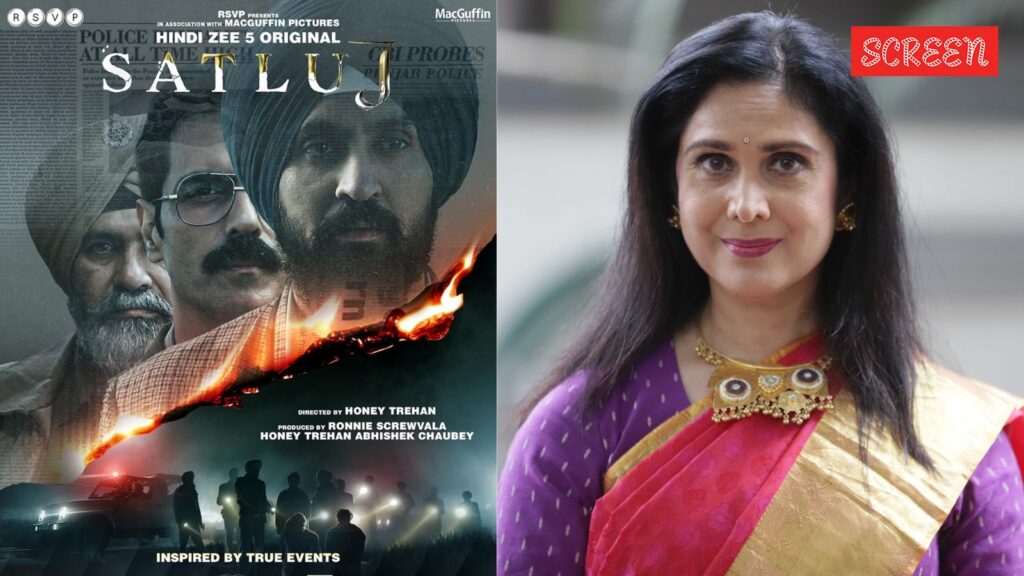
The Central Board of Film Certification (CBFC) has once again found itself at the centre of controversy following the Satluj row. But as actor Meenakshi Sheshadri recently pointed out, questions over the board’s seemingly inconsistent standards are far from new. For decades, filmmakers have raised concerns over why certain scenes are cleared in one film while similar content faces objections in another, often without detailed public explanations.
‘Keep violence, remove kiss’
Speaking to Faridoon Shahryar, Meenakshi recalled her association with filmmaker Rahul Rawail and actor Sunny Deol, sharing an anecdote from the making of their 1987 film Dacait.

“A lot of people don’t know that I had done a screen test for Betaab. Dharam Ji always wanted to cast me. He once told me, ‘I couldn’t cast you then, and you went on to work with Manoj Kumar and Subhash Ghai, and gave a blockbuster like Hero. I have to cast you someday.’ When Ghayal happened, he felt it was poetic justice because I finally worked for his home production. That’s how I also got to work with Sunny. I believe Sunny and my on-screen pairing is as loved as Dharam Ji and Hema Ji’s. People appreciated us in Ghayal, Dacait and Ghatak,” she said.
Recalling Dacait, Meenakshi revealed that the CBFC objected to a kissing scene while allowing much of the film’s violence to remain intact.
“Dacait was such a powerful film. Do you know how Rahul Rawail managed to get it through the censors? There was a song, Kis Kaaran Naiya Dole. At the beginning of the song, Sunny and I had a lip-to-lip kiss. But do you see it in the film? No. The censors said, ‘We will allow some of the violence, but you have to remove the kiss.’”
Censor board yet to address Satluj and related issues
Her remarks have resurfaced amid renewed criticism of the CBFC’s certification process following the fate of Satluj (originally titled Punjab 95). The film underwent years of delays and was asked to implement 127 modifications before eventually opting for an OTT release. Even then, it was removed from the platform within 48 hours, with the streamer citing “current developments” without offering further details.
The controversy has reignited questions about transparency in the certification process. Critics argue that the board’s decisions often appear inconsistent, with similar themes or scenes receiving different treatment across films.
Story continues below this ad
ALSO READ | After denying CBFC delay rumours, Salman Khan sparks Maatrubhumi buzz with new look
Examples frequently cited include the A certificate for OMG 2—despite its focus on sex education for adolescents—contrasted with more lenient certifications for mainstream commercial entertainers like Housefull 5 containing sexual innuendo. Similarly, the board initially objected to the protagonist’s name in Janaki vs State of Kerala, reportedly because it referenced Goddess Sita, before later approving the film after the makers modified the title. Yet names such as Sita, Durga and Janaki have appeared in films like Alpha without any objection.
Different rules for different films
The debate extends beyond individual films. Violent action dramas such as Dhurandhar, The Kashmir Files, The Bengal Files have often reached theatres with relatively minor changes, while other films like Satluj dealing with similar political, historical or social issues have faced prolonged scrutiny, multiple revisions or release delays. The differing outcomes have fuelled calls for greater consistency and transparency in how certification guidelines are interpreted and applied.
Another film caught in certification limbo is actor-politician Vijay starrer Jana Nayagan. Touted as a mass entertainer with family appeal, the film is yet to receive a certification, with the CBFC having not publicly explained the reasons for the delay since January this year.
Story continues below this ad
While the CBFC maintains that every film is assessed on its individual merits and context, filmmakers and audiences alike continue to ask for clearer explanations behind its decisions. Meenakshi Sheshadri’s recollection from nearly four decades ago suggests that these concerns have persisted across generations, making the current debate less about a single film and more about the need for a more predictable and transparent certification process.


Click here to follow Screen Digital on YouTube and stay updated with the latest from the world of cinema.